
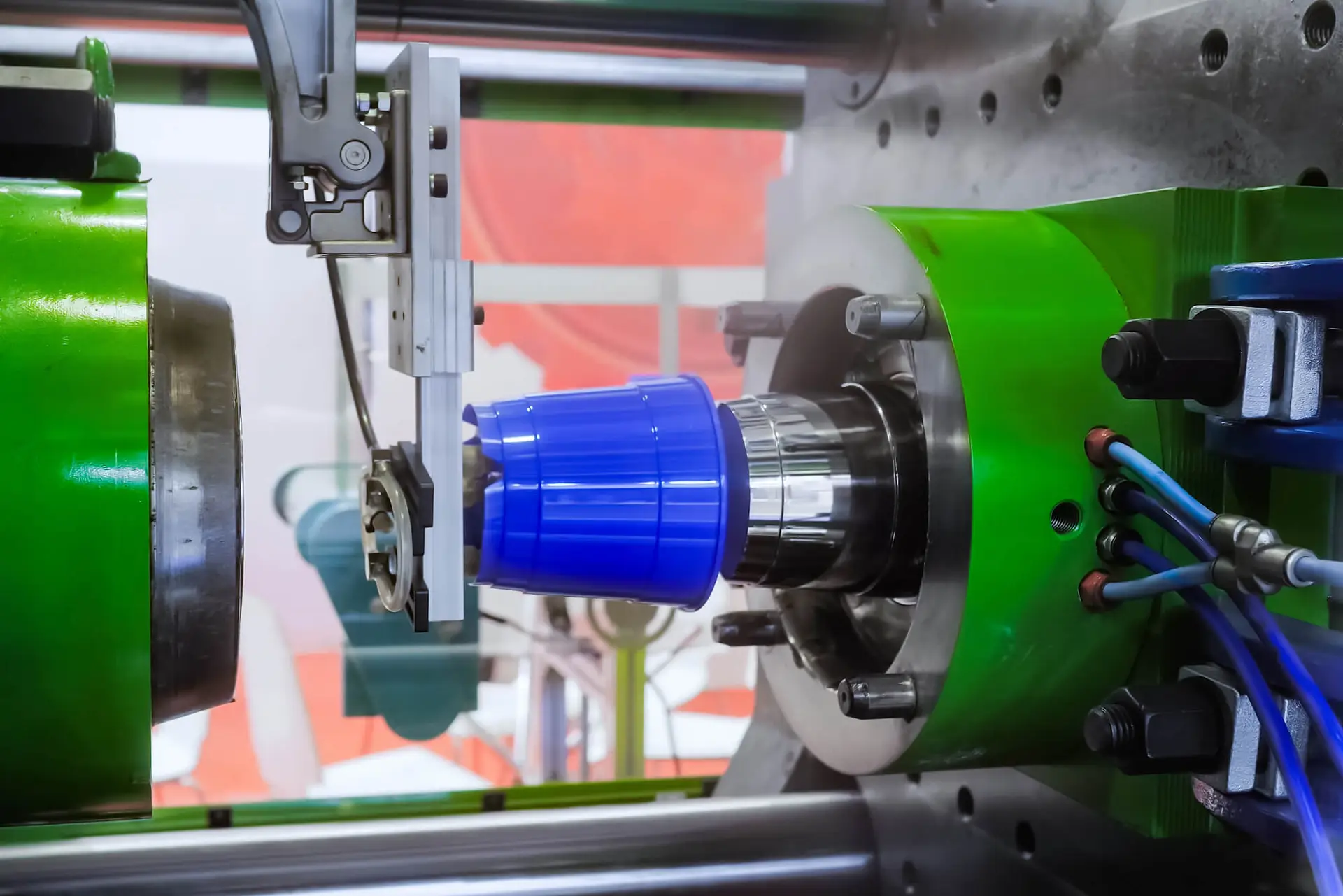
What does ‘design for mouldability’ mean?
If you’ve discussed a plastic component with a manufacturer, reviewed a tooling quotation or received feedback on a CAD model, you might have come across ...
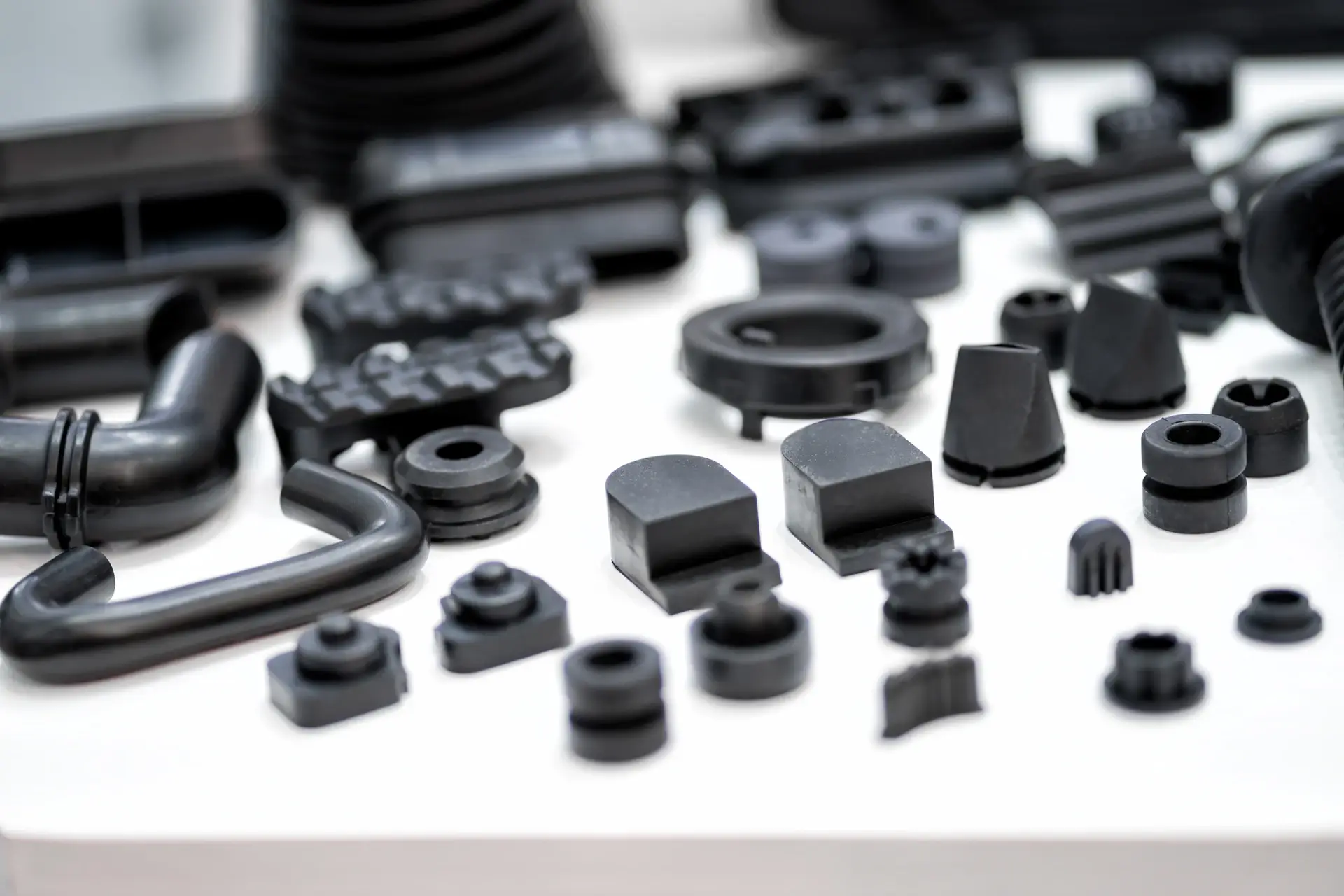
What materials perform best in compression moulding?
If you’re designing a plastic component, you may already have its shape and function in mind. Choosing its material means considering what it needs to ...
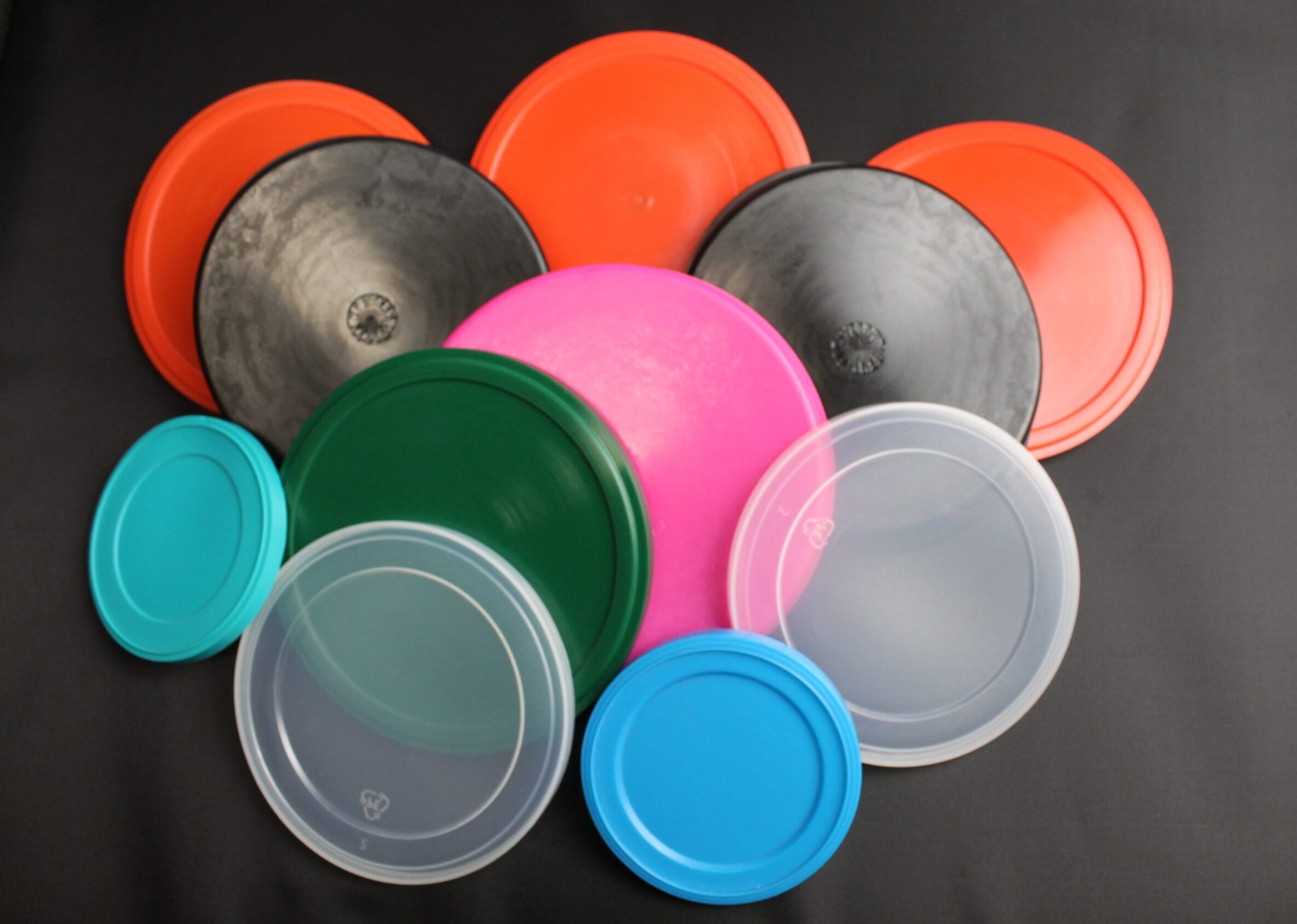
What makes an injection moulded part suitable for high-volume production?
Getting a new component through prototyping is a big step, but there’s still work to do before it’s ready for full production. A part that ...
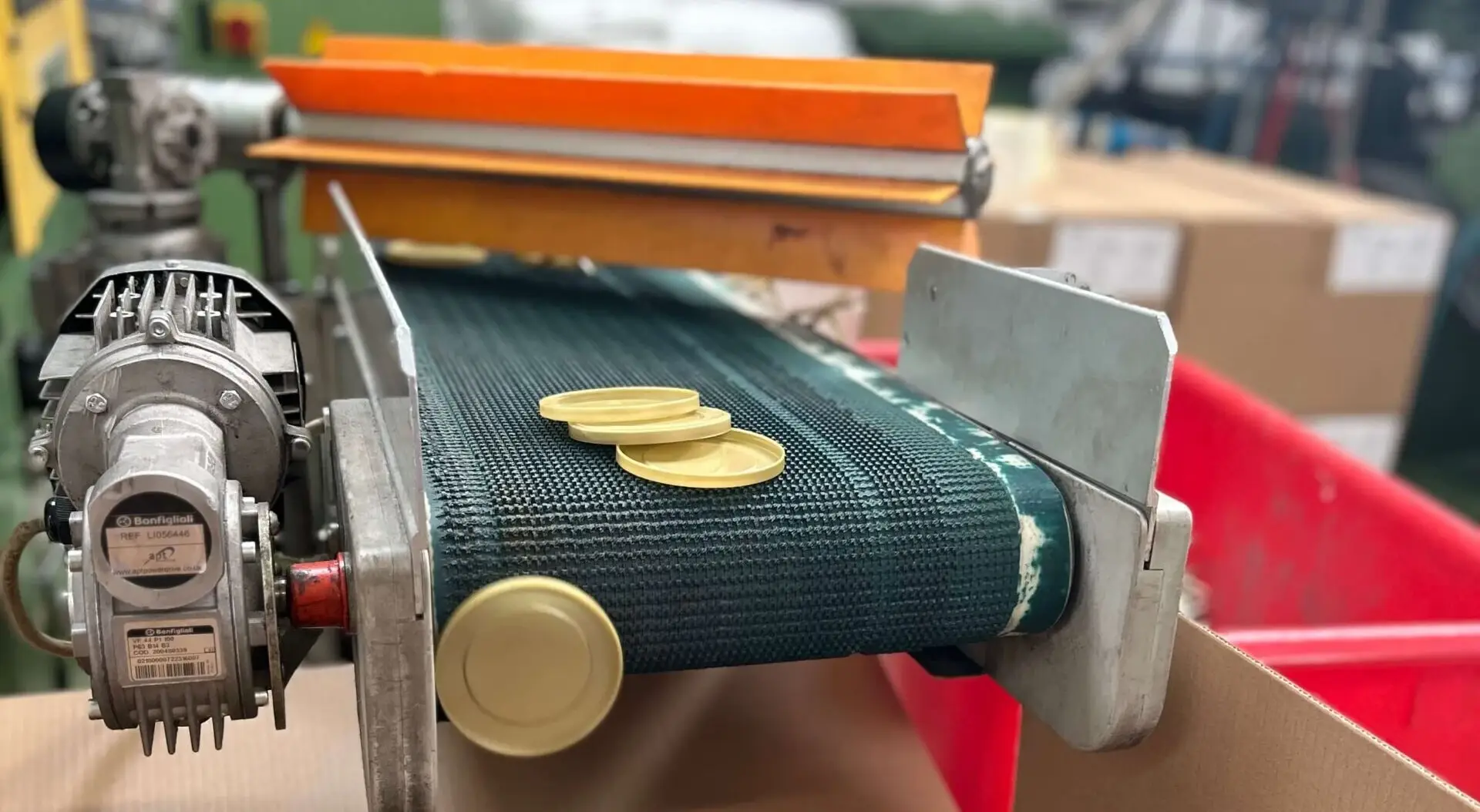
How do you troubleshoot common compression moulding issues?
Your plastic components have arrived, but some don’t fit, have marks on their surfaces or show damage around an edge. You need to establish whether ...
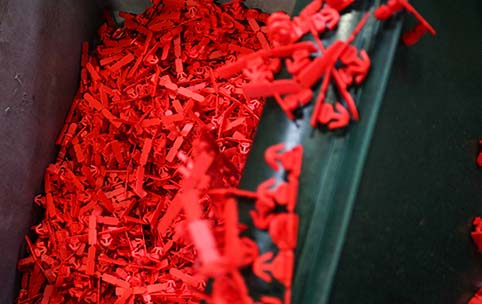
How does breathing improve compression moulding quality?
A compression-moulded part depends on, well, compression. For thermoset components, pressure forces the material into shape while heat initiates and accelerates curing. So, why would ...
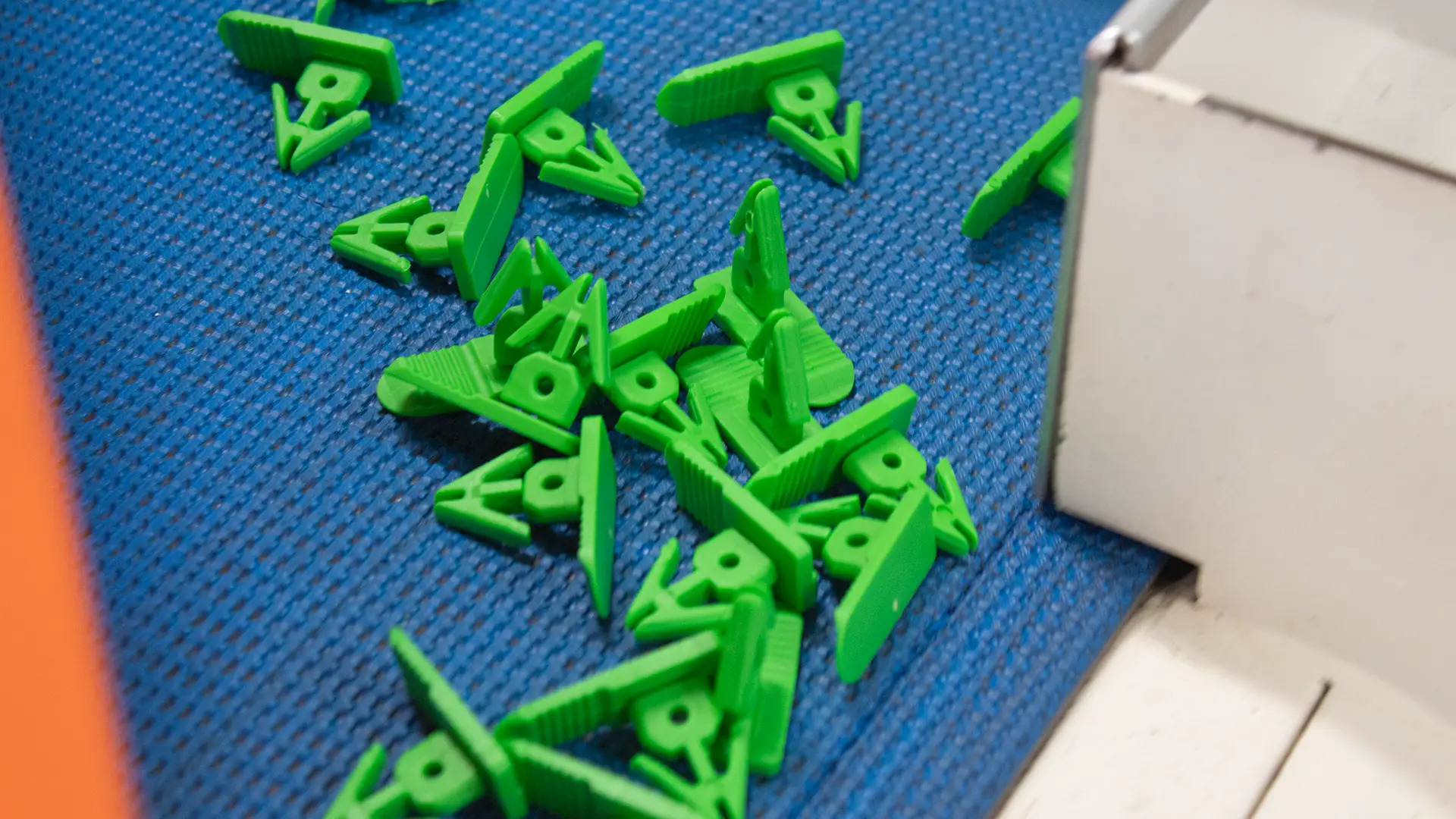
How does cooling time affect injection moulding efficiency?
Cooling time is part of what determines how many acceptable parts an injection moulding cell produces in a shift. Reduce it safely and you may ...
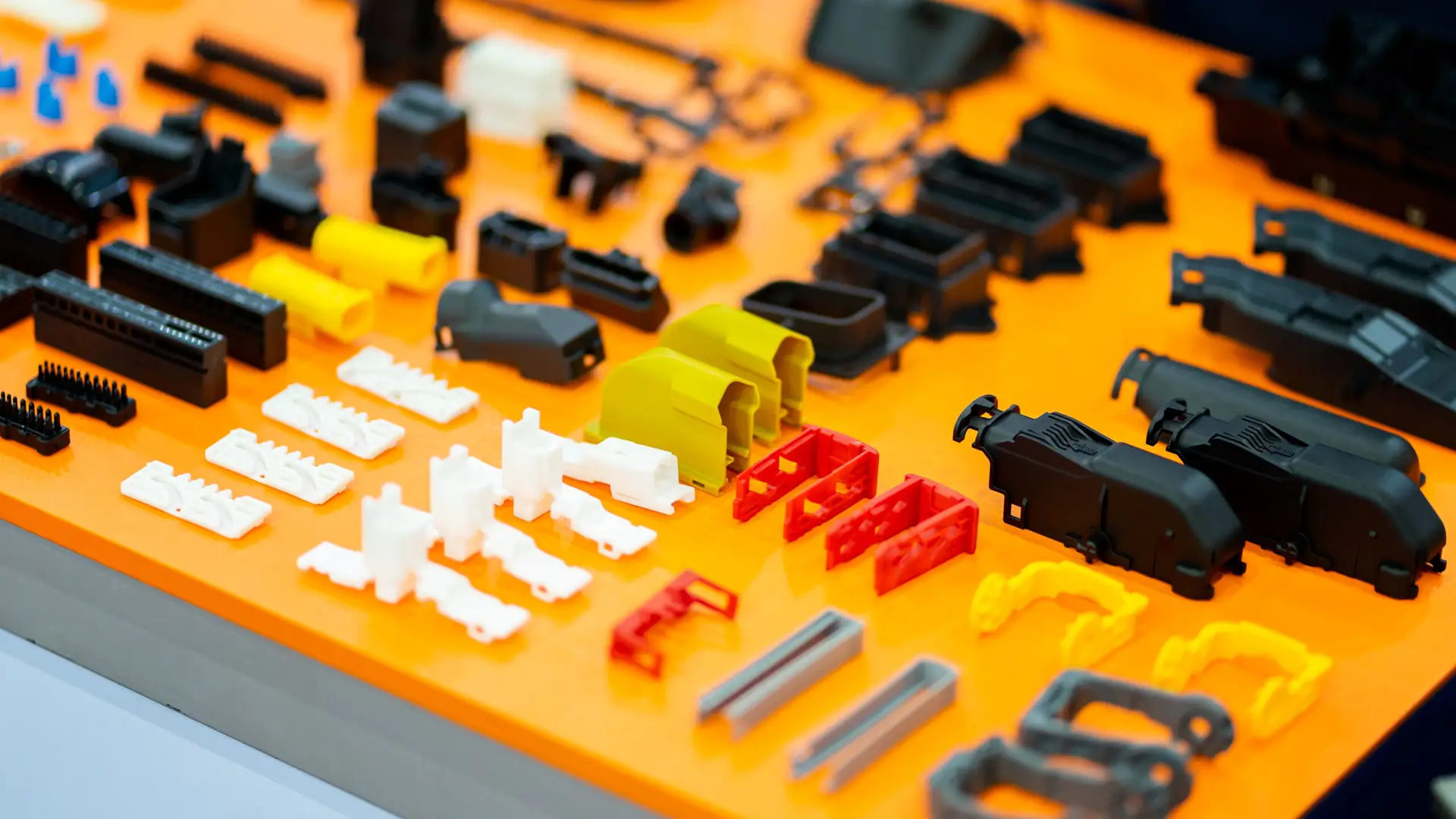
What does the future hold for composite compression moulding?
Composite compression moulding already produces components that can combine strength, heat resistance and dimensional stability. It’s an established process, so its future will come from ...

How do you choose the right type of moulding for your product?
You should choose your moulding process based on your component’s function, material, shape and production volume. The aim is to meet your specification at an ...
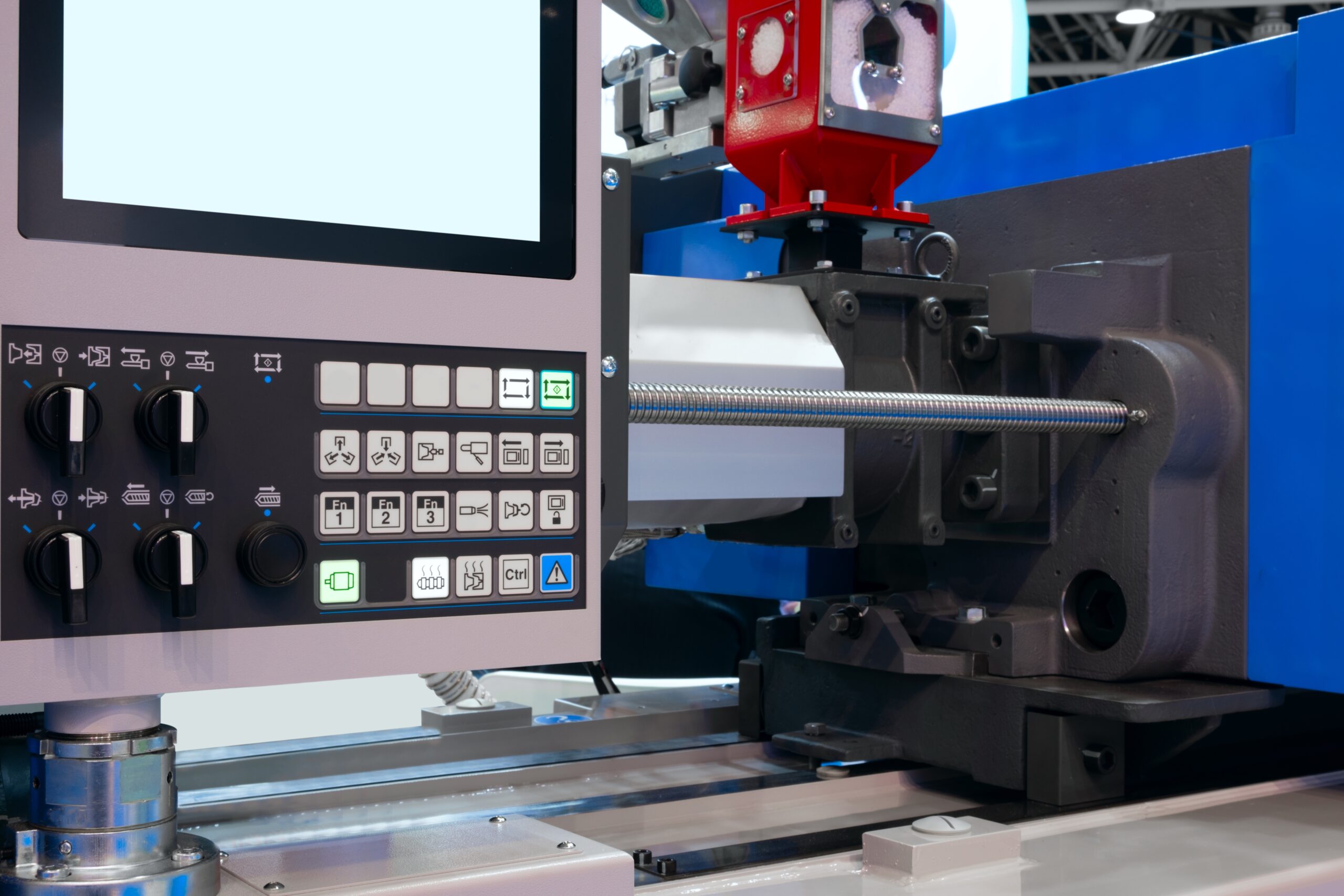
How do you ensure consistent quality in injection moulded components?
During a production run, an injection moulding machine repeats the same cycle thousands, even tens of thousands, of times. However, that doesn’t necessarily mean that ...
What makes compression moulding suitable for medium-volume production?
An injection-moulded component may take only seconds to form. However, its quality, service life, conformity to your specifications and delivery schedule all depend on decisions ...
What makes compression moulding suitable for medium-volume production?
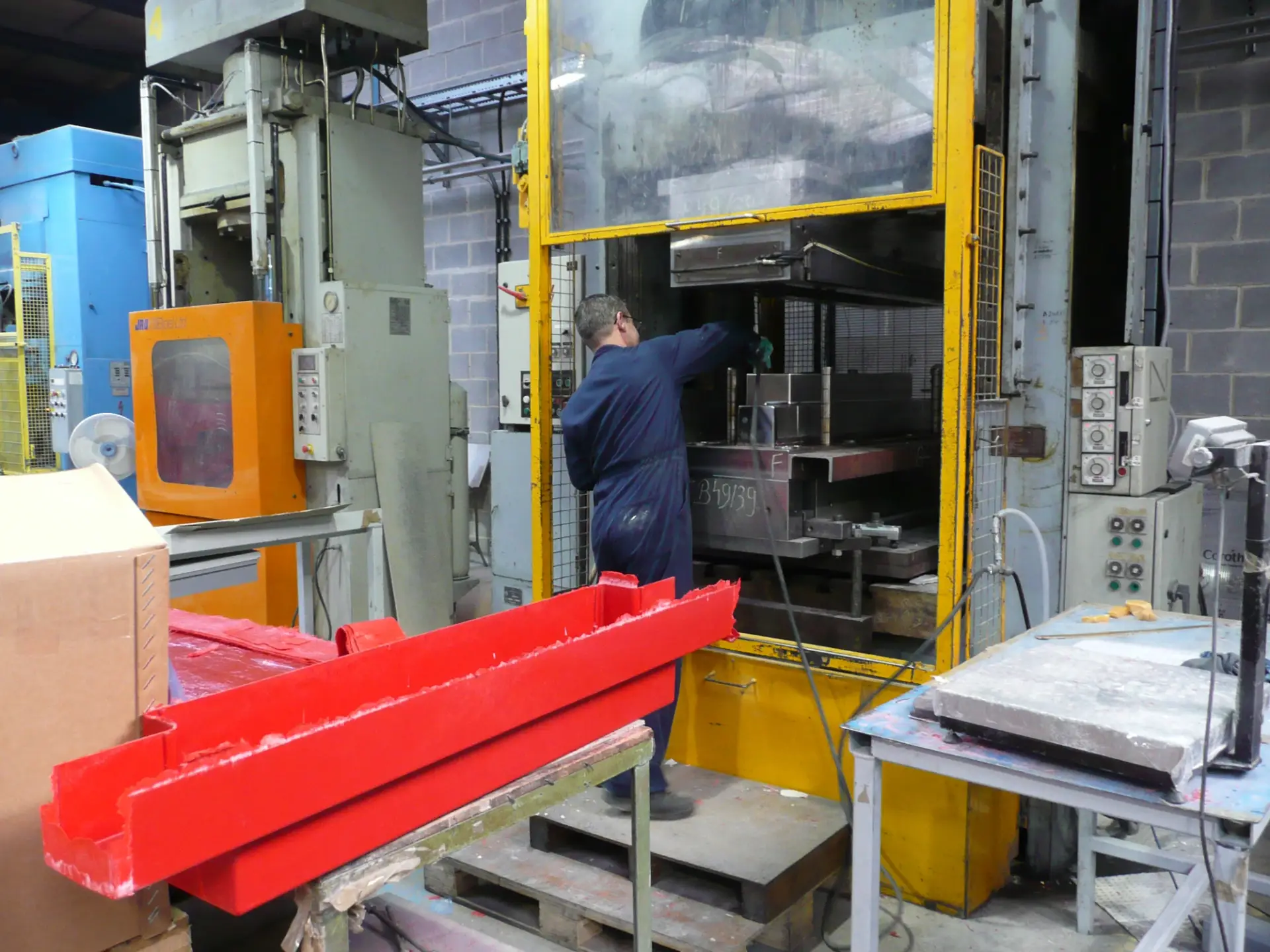
You’ve approved your component design and moved beyond prototyping. Demand now justifies a dedicated production process, but you don’t expect to manufacture millions of components. ...
How do you prevent flash in compression moulded components?
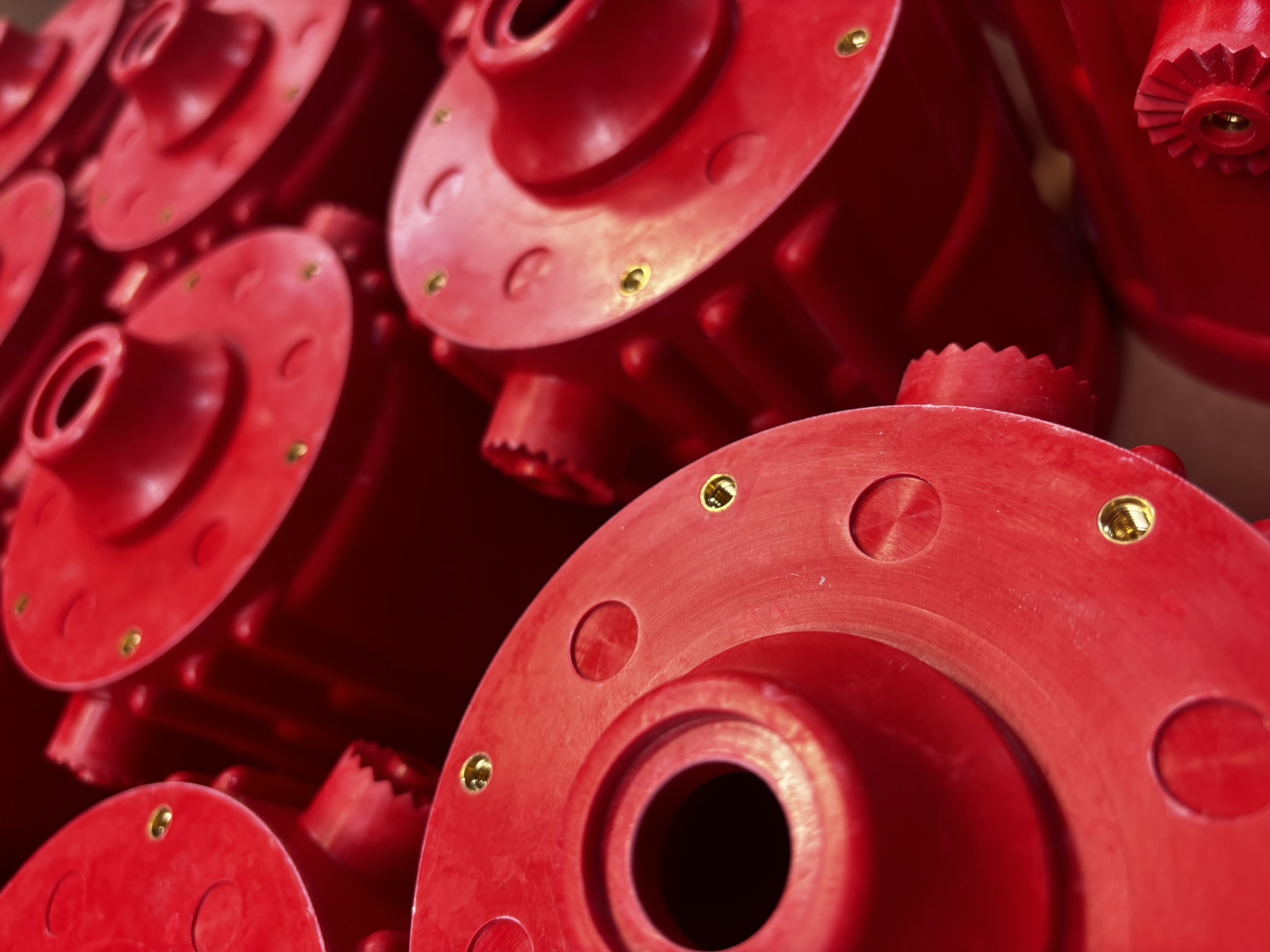
Flash is material that flows beyond the component’s intended geometry, usually at the mould parting line. It can also form around inserts, ejector pins or ...
What role does temperature control play in injection moulding quality?
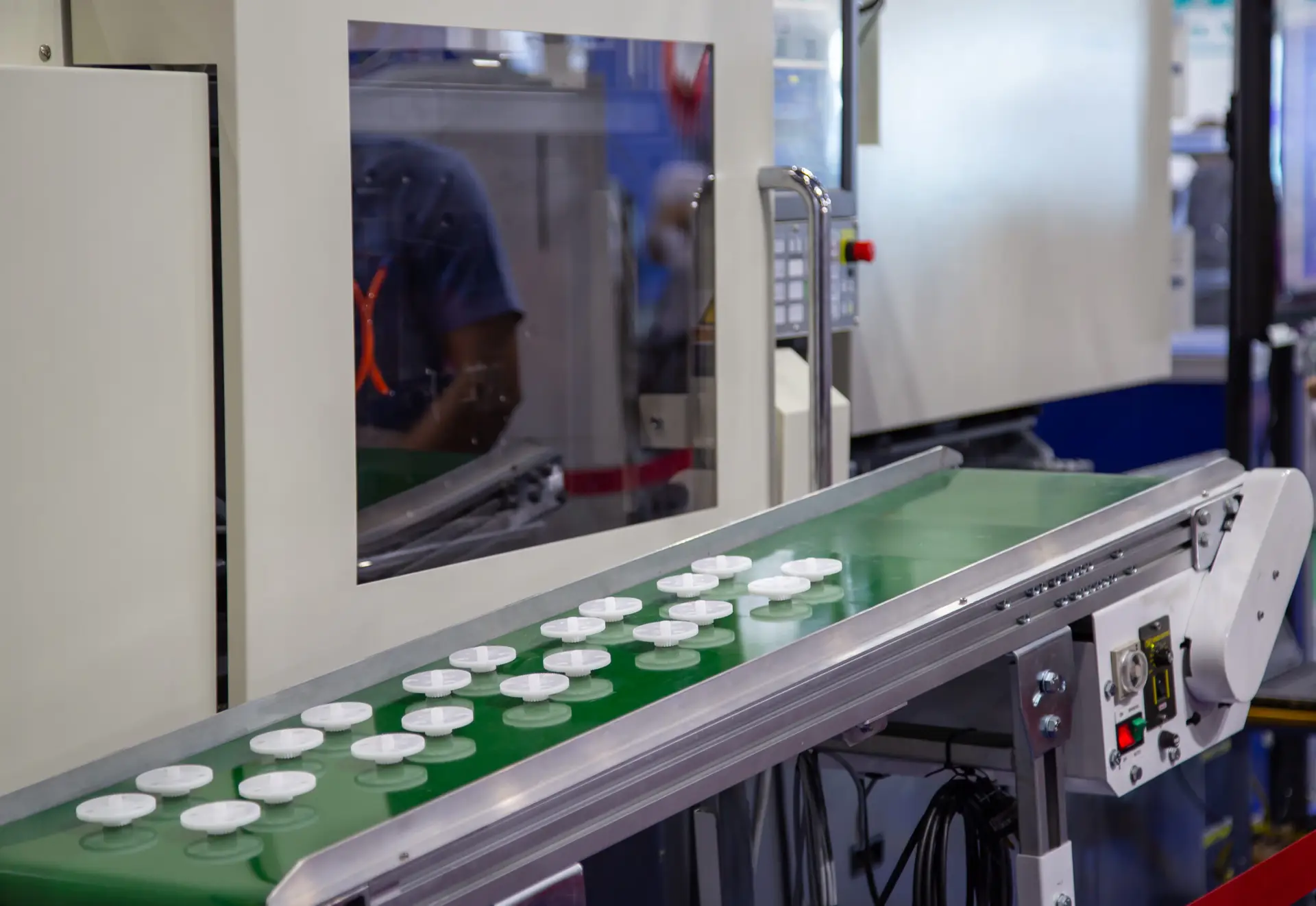
Temperature control plays a central role in injection moulding quality. It affects how the material flows, fills the mould, solidifies or cures and performs once ...
What are the sustainability benefits of compression moulding?
Compression moulding uses heat and pressure to form a measured charge of thermoset or thermoplastic material, including fibre-reinforced composites, inside a mould. With careful planning, ...
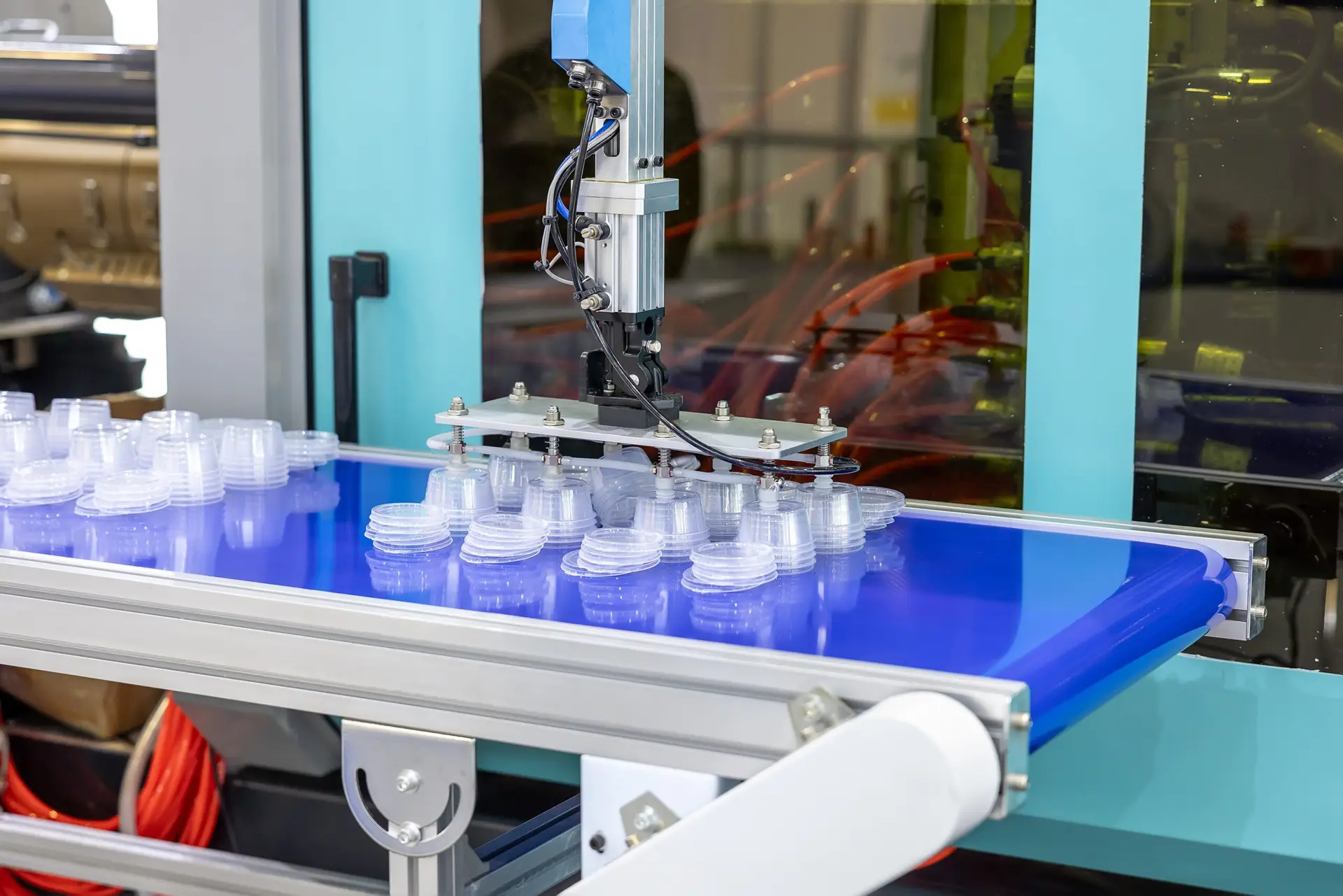
How do you choose between compression moulding and injection moulding?
The best way to choose between compression moulding and injection moulding is to start by identifying the material your component needs. Your material choice depends ...
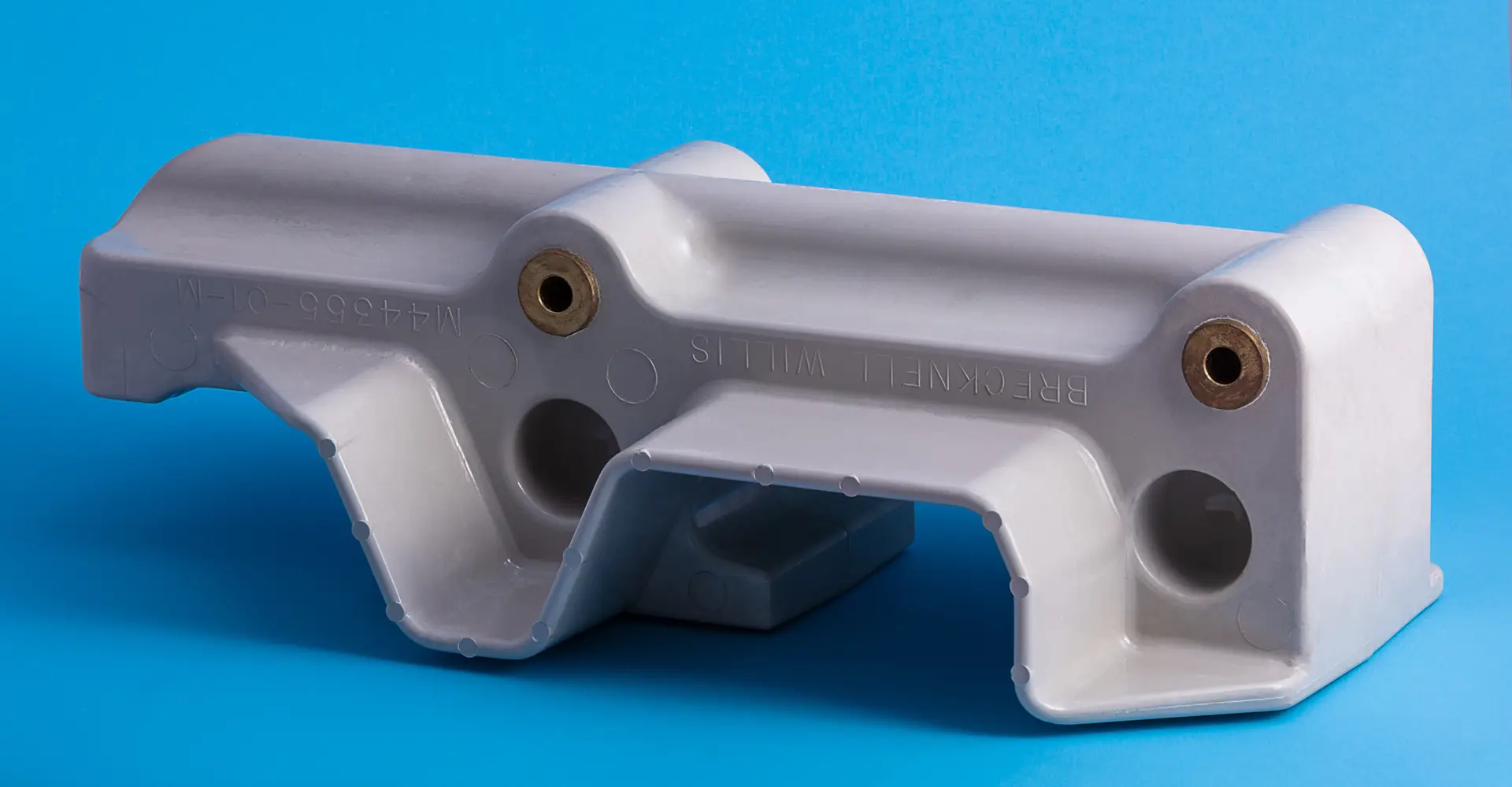
How do composite materials enhance compression moulding performance?
Composite materials enhance compression moulding by improving both the manufacturing process and the performance of the finished component. Rather than using an unreinforced polymer, compression ...
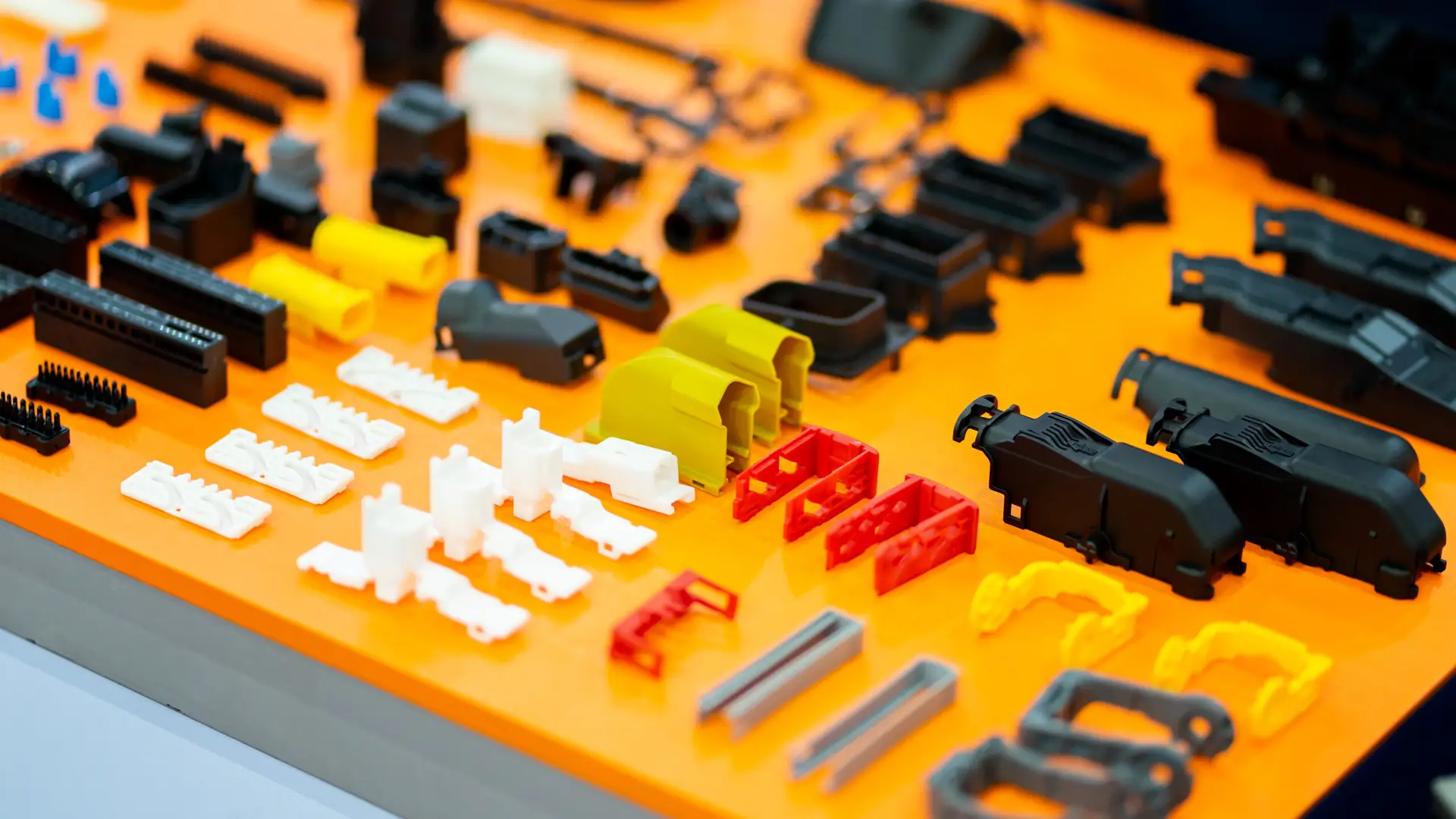
What makes compression moulding ideal for high-strength components?
When creating a plastic component that needs to carry a load, remain stable under heat, perform well in demanding conditions or replace a heavier metal ...
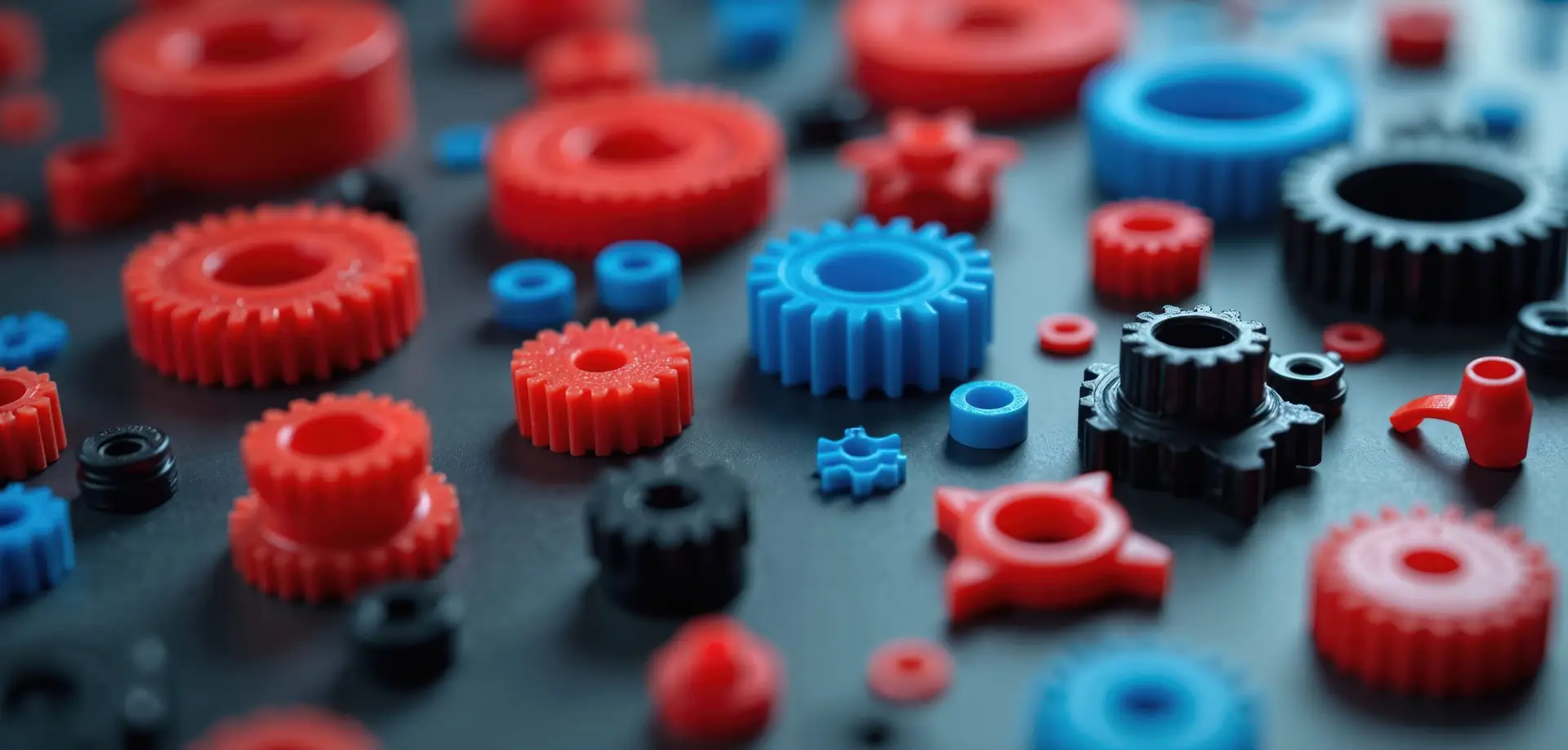
What are the most common injection moulding defects and how do you prevent them?
Injection moulding is an excellent process for consistency, repeatability and a high production rate. However, if an injection moulded component batch arrives with marks, distortion, ...
How do you decide if compression moulding is right for your next project?
You should select compression moulding for your next project if it suits the component’s performance, geometry and commercial requirements. That is, in short, all there ...
What is regrind plastic?
Regrind plastic is plastic material that has already been processed and then ground down so it can be used again in manufacturing. In plastic moulding, ...
Is plastic injection moulding BRCGS-compliant?
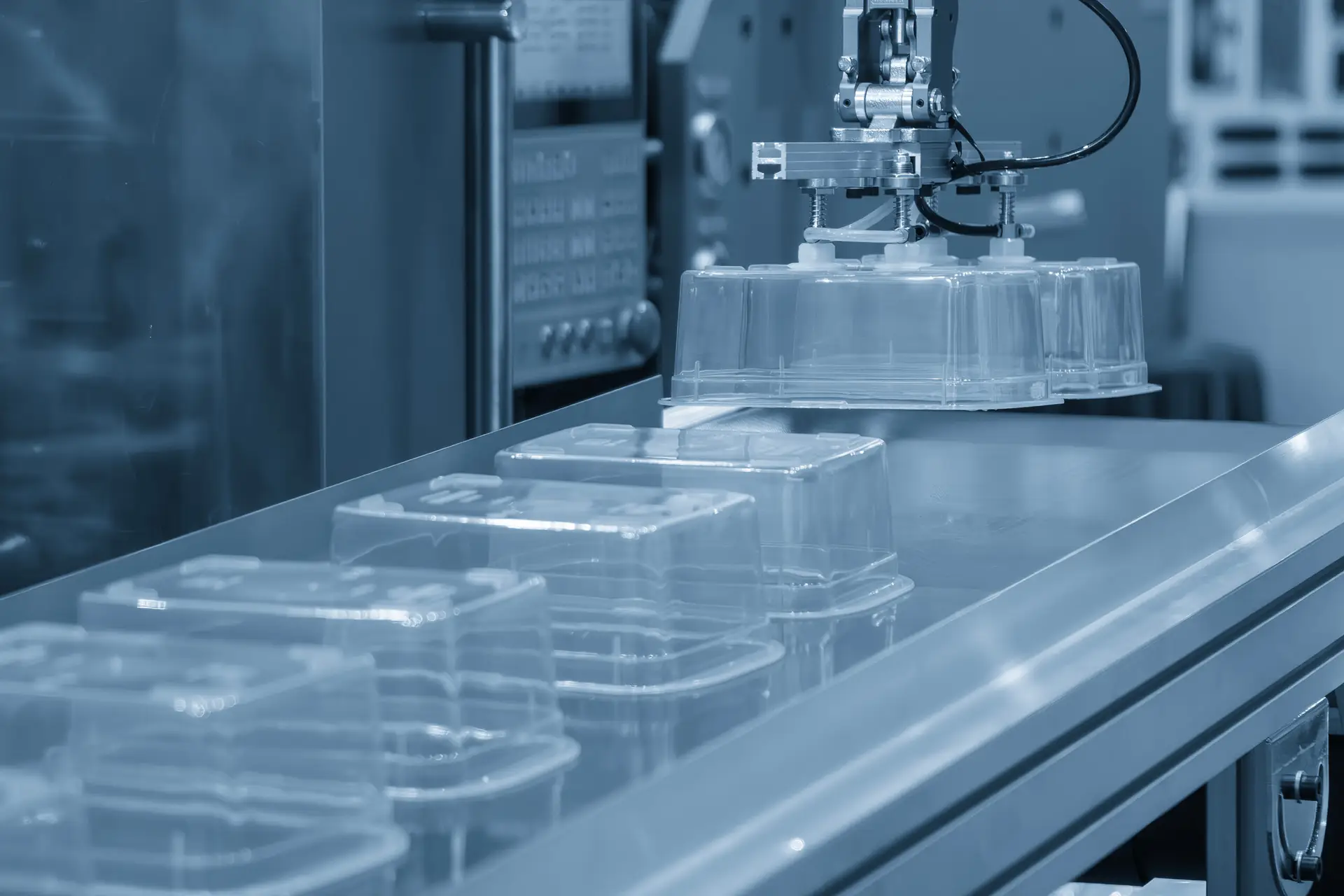
If you’re developing a plastic product for the food & drink, packaging or hygiene-sensitive sectors, compliance needs to be considered from the start. It can ...
Choosing the right plastic for your injection-moulded product
Choosing the right plastic for your injection-moulded product is one of the most important decisions in the development process. The material you choose affects your ...
What types of materials does compression moulding use?
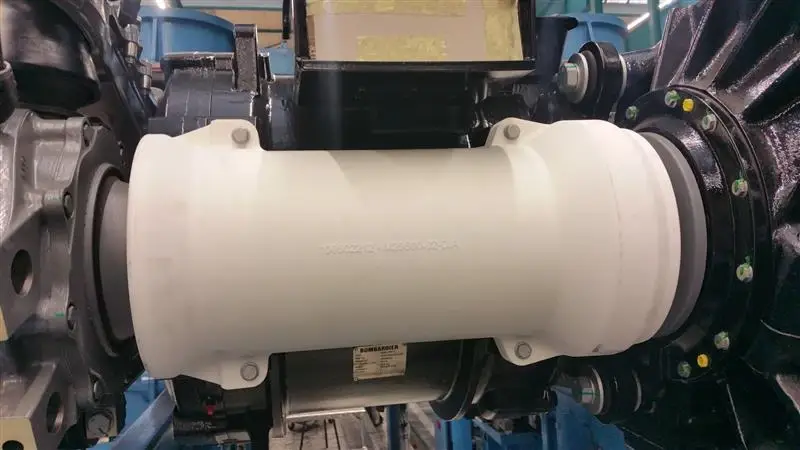
Compression moulding is a versatile manufacturing process. It’s used for producing durable and reliable plastic and composite components. And it’s especially useful when you need ...
Can I use injection moulded parts in consumer electronics?
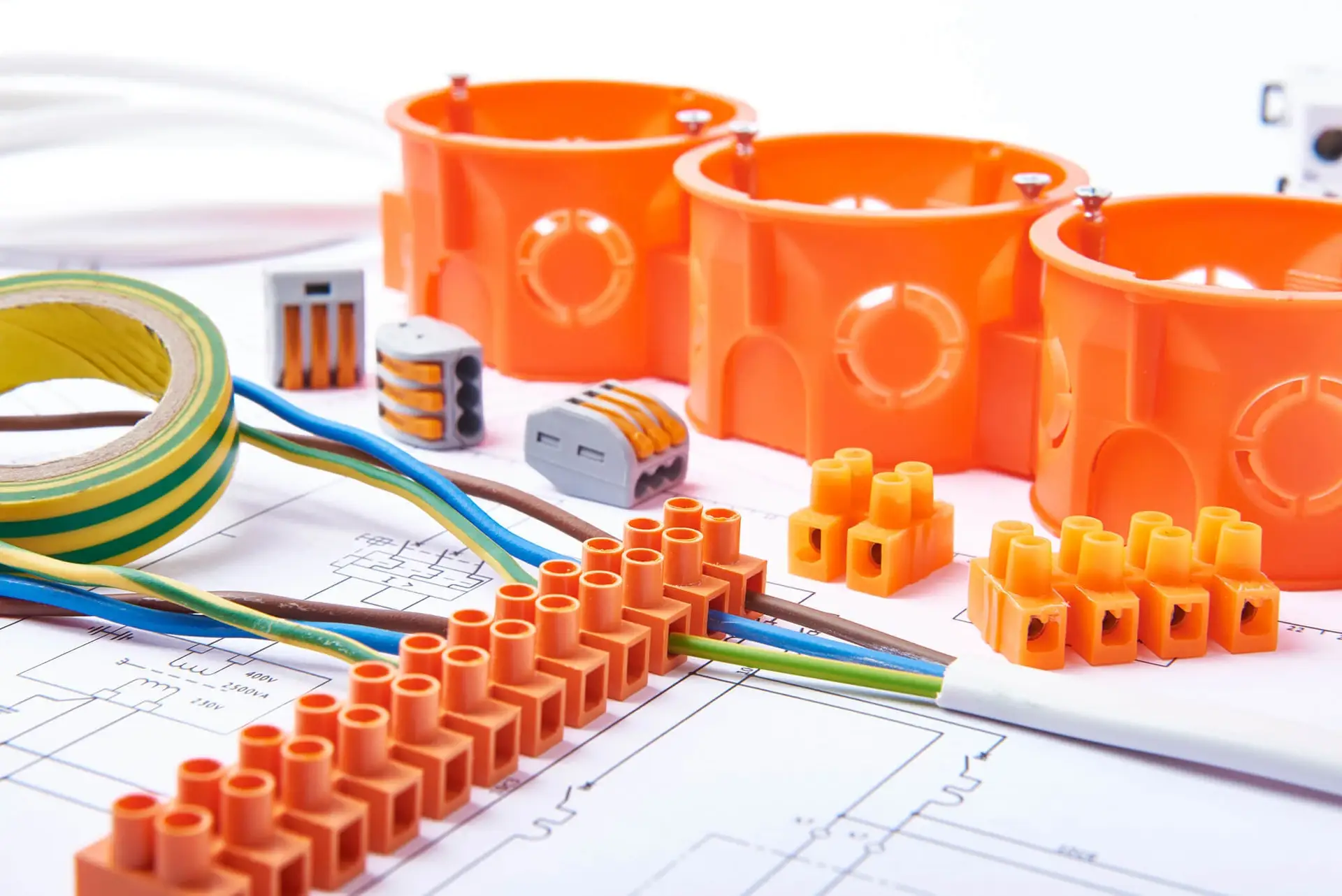
Injection moulding is one of the most widely used manufacturing processes to make the plastic parts found in many electrical and electronic products. This includes ...
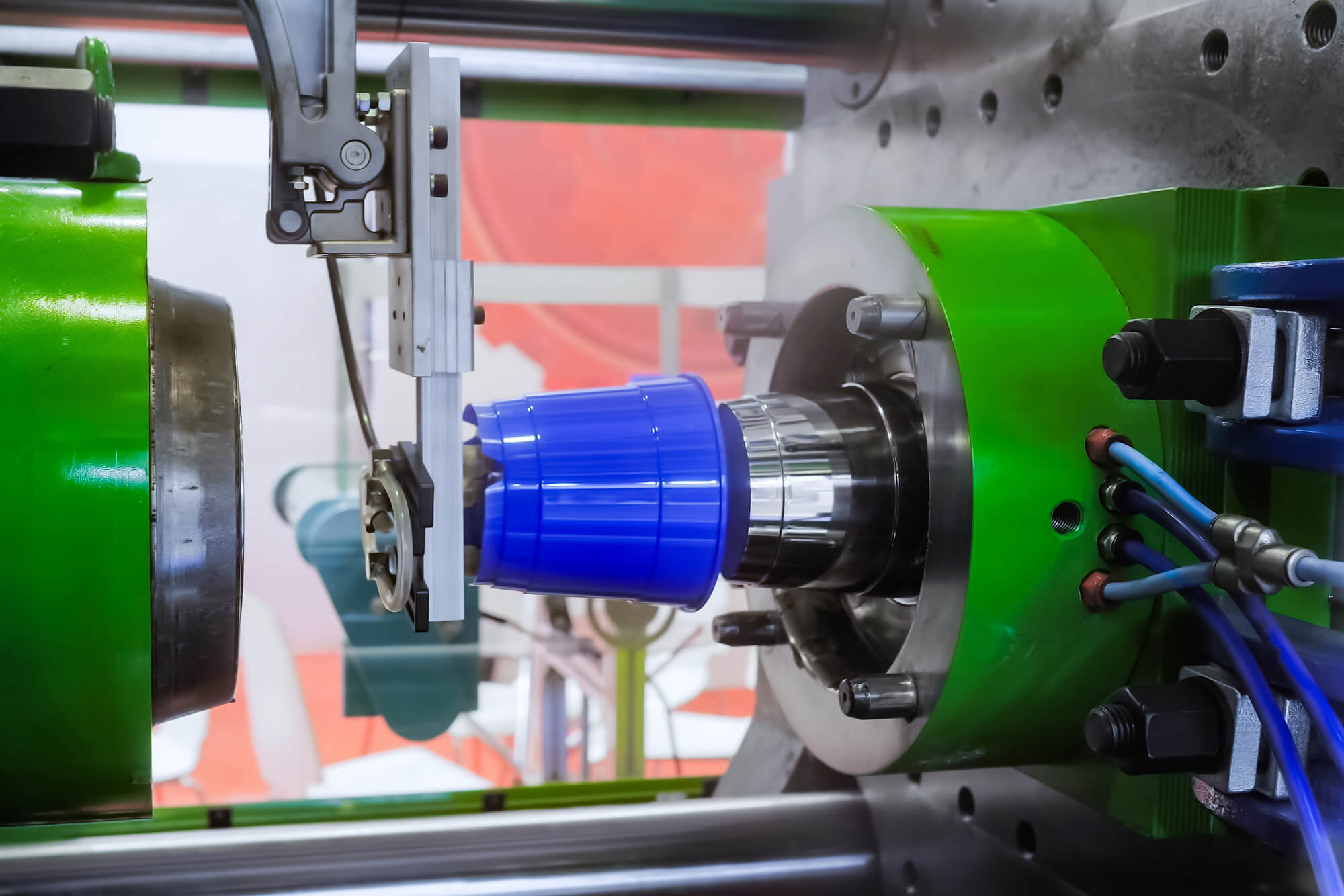
Are injection-moulded parts food-safe?
Food packaging gets scrutinised like almost nothing else in manufacturing. The materials, processes and handling all matter, because the end-product ends up in direct contact ...
Thermoplastic vs thermoset materials: what’s the difference?
If you’re comparing plastic materials, you’ll quickly come across two main categories: thermoplastics and thermosets. The fundamental difference is that thermoplastics can be remelted, reshaped ...

Is injection moulding suitable for automotive parts?
Injection moulding is one of the most widely used plastic manufacturing processes in the automotive industry. From interior trim to under-the-bonnet parts and electrical components, ...

Your complete guide to compression moulding
Compression moulding is an excellent option for your new or upgraded product line. It’s widely used for strong, heat-resistant components. But whether it’s right for ...
What materials do you use in compression moulding?
If you’re considering compression moulding for a new product line, you may be wondering what materials you can use.

How sustainable is injection moulding?
If you’re exploring manufacturing options for your plastic product line, sustainability is probably at the top of your list of priorities.
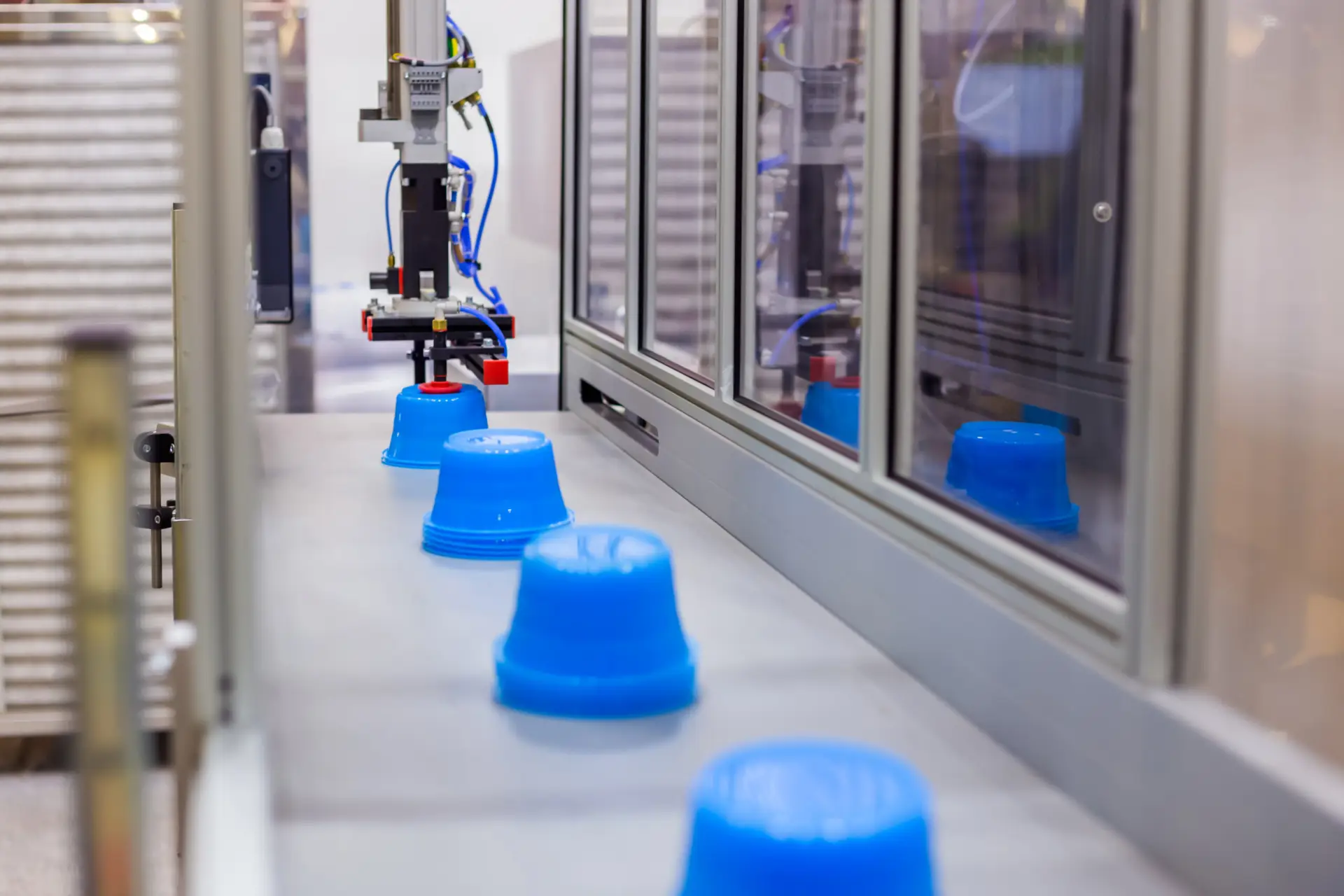
Injection moulding vs compression moulding: What’s the difference?
Here at Talisman Group, we offer both injection moulding and compression moulding. We’ll help you decide which is best for your needs or decide if ...
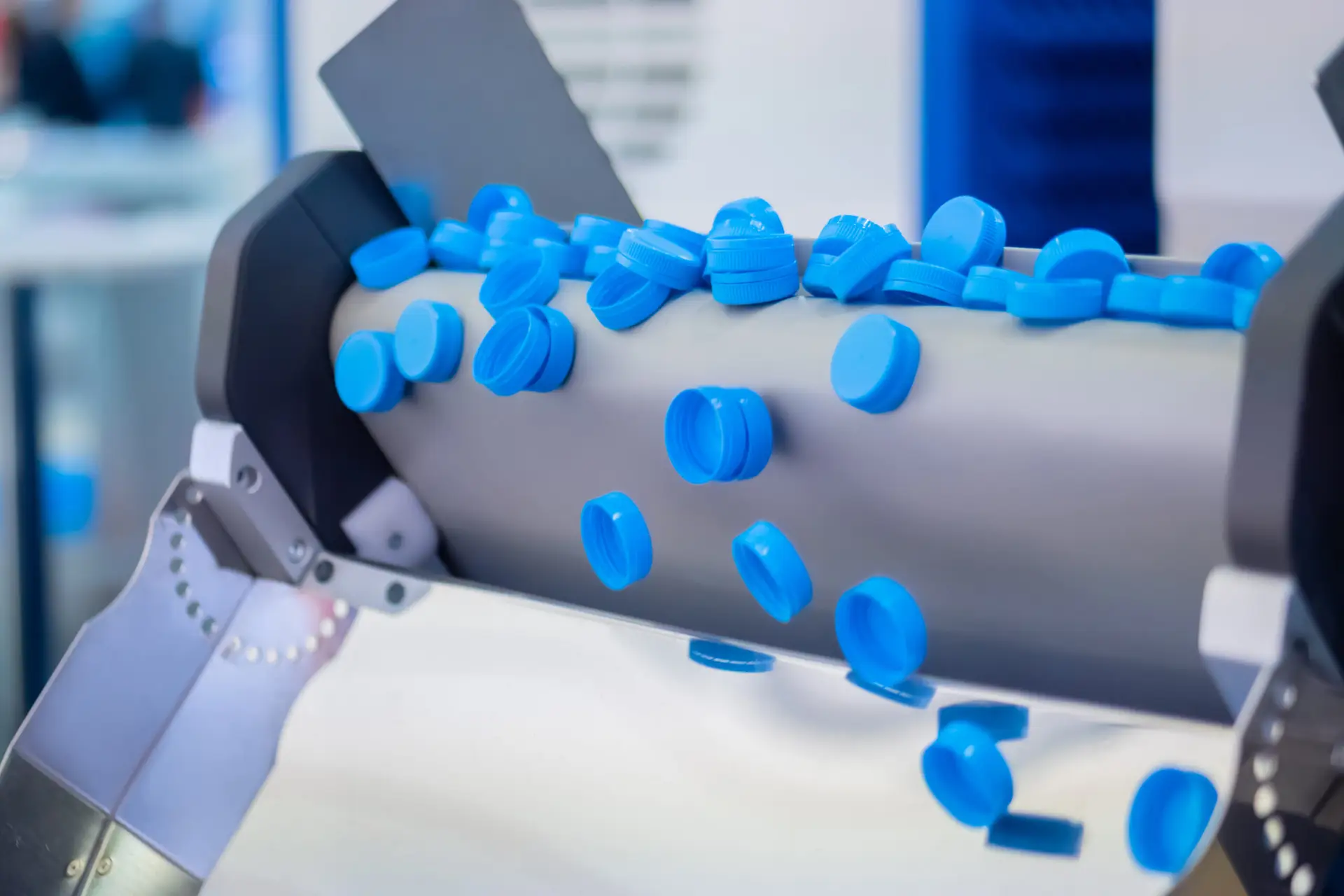
Advantages of compression moulding
Compression moulding is your go-to option when you need strong, durable, heat-resistant plastic parts. It’s not necessarily what your business needs in every situation. Sometimes, ...
Is injection moulding any good for making plastic automotive parts?
This article explores why injection moulding has become the best choice for producing many plastic parts for the automotive industry.

What are HexMC materials?
This article explores what makes HexMC materials unique and where they’re making the most significant impact across different industries.

What is breathing in compression moulding?
Compression moulding involves placing a precisely measured charge into a mould, which then applies heat and pressure.
A reflection on 2025
Today marks the beginning of 2026 and now is the perfect time to reflect on our achievements over the past 12 months.

An evening to remember at The Plastic Industry Awards 2025
Talisman Group have had the pleasure of attending the 2025 Plastic Industry Awards event in London
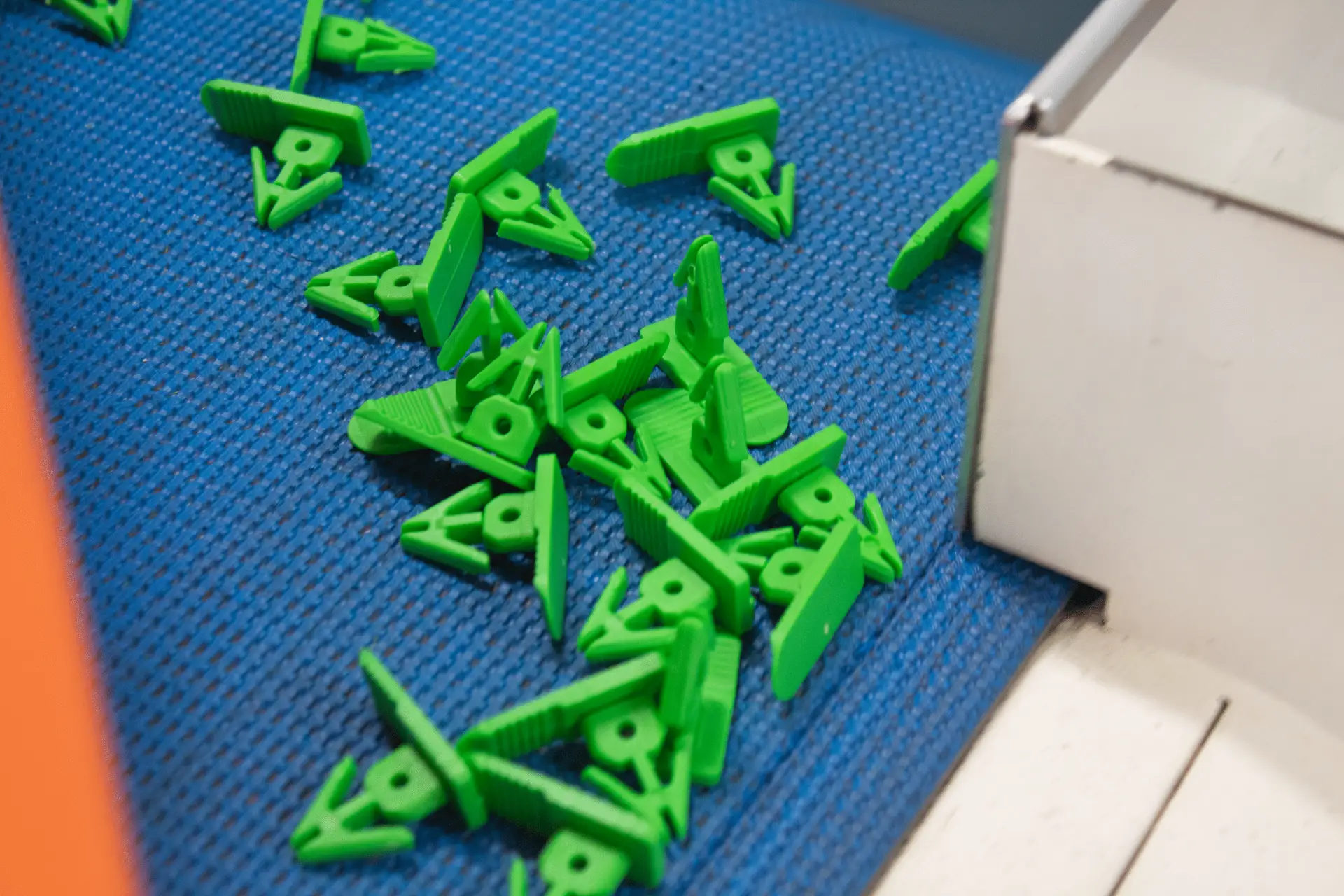
BL03 in full production and the future of our Security Seal range
Our BL03 is already in full production following the acquisition of Sherwood Plastics' tooling and ancillary equipment, with the transfer process progressing quickly.
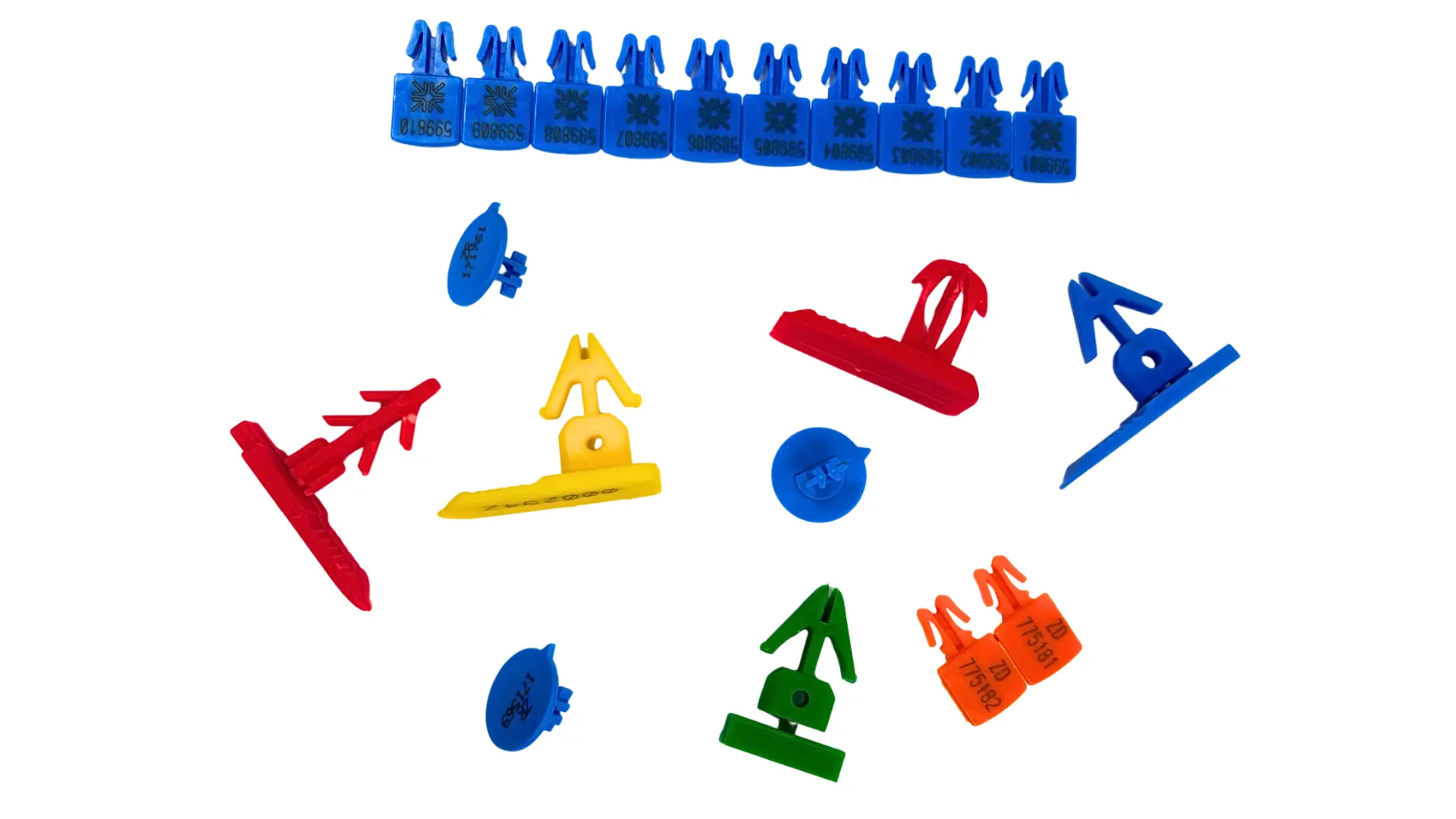
Growth at Talisman Group continues, this time through acquisition
Talisman Group and Talisman Security Seals have recently acquired Sheerwood Plastics existing product range and manufacturing equipment, opening up new opportunities to expand the production ...